
Kaizen Events vs Daily Kaizen: What’s the Difference?
Teams love the idea of Kaizen, but many struggle with a practical question: should we run focused Kaizen events, or build a culture of daily Kaizen?
Both approaches drive continuous improvement — but they work differently, solve different problems, and require different habits to sustain results.
In this guide, you’ll learn the real differences between Kaizen events vs daily Kaizen, when each one makes sense, and how high-performing teams combine both without burning out or losing momentum.
Quick Definition: What Is a Kaizen Event?
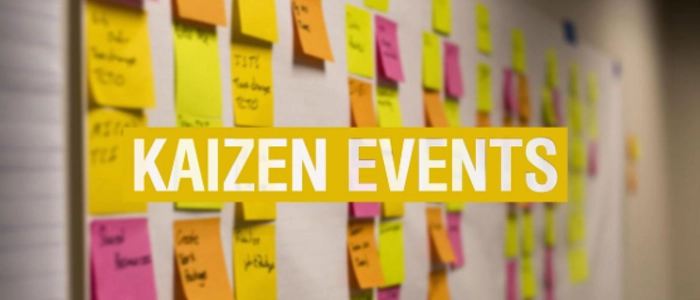
A Kaizen event (sometimes called a “Kaizen blitz” or “rapid improvement event”) is a short, structured improvement effort — typically 2 to 5 days — where a cross-functional team steps away from day-to-day work to solve a specific problem end-to-end.
Kaizen events are designed for fast learning and fast change. The goal is to analyze the current situation, identify root causes, test countermeasures, and implement improvements quickly.
Quick Definition: What Is Daily Kaizen?
Daily Kaizen is the ongoing habit of making small improvements continuously as part of normal work. Instead of “pausing operations to improve,” the team improves while they operate.
Daily Kaizen focuses on building a culture where everyone is expected to notice problems, suggest better ways, and make small changes frequently — without waiting for a special event.
Kaizen Events vs Daily Kaizen: The Core Differences
1) Speed vs Sustainability
Kaizen events deliver change quickly. You can fix major issues in days, not months.
Daily Kaizen builds sustainability. Small improvements compound over time and become “how we work,” not a one-time project.
2) Scope and Complexity
Kaizen events work best for problems that are complex, cross-functional, or stuck behind organizational friction — the kind of work that benefits from bringing the right people into one room.
Daily Kaizen is perfect for local, small, frequent improvements: reducing small delays, eliminating waste steps, improving checklists, standardizing handoffs, and tightening communication.
3) Structure and Cadence
Kaizen events have a defined start/end, agenda, facilitation, and deliverables. Daily Kaizen is a habit — it needs lightweight routines (daily huddles, visual boards, and quick follow-ups) to stay alive.
4) Resources and Disruption
Kaizen events require time, coordination, and pulling people away from normal work. Daily Kaizen requires less disruption — but it requires consistent leadership attention to keep improvement from being “optional.”
5) Risk of Backsliding
A Kaizen event can create an impressive result — and then fade if no one owns the follow-through. Daily Kaizen reduces that risk because improvement is integrated into daily management, not separated from it.
When a Kaizen Event Is the Better Choice
Use a Kaizen event when you need a concentrated push, such as:
- A chronic problem that has resisted small fixes
- Cross-functional bottlenecks (handoffs, approvals, scheduling conflicts)
- High-impact safety/quality issues that need rapid containment and redesign
- A process redesign (layout changes, new workflow, new standards)
- A “reset” moment when performance is clearly unacceptable and urgency is high
If you want a full, structured refresher, you may also like: Kaizen vs Lean: What’s the Difference?
When Daily Kaizen Is the Better Choice
Daily Kaizen wins when the goal is to build strong improvement muscles. It’s ideal for:
- Reducing daily friction (small delays, rework, unclear priorities)
- Strengthening standards and making work more repeatable
- Maintaining gains after a Kaizen event
- Developing team capability (problem solving, ownership, accountability)
- Preventing “event dependency” where improvement only happens in workshops
The Best Approach: Use Both (Here’s How)
High-performing organizations don’t choose one — they build a system:
Step 1: Use daily Kaizen to surface problems
Daily routines (visual boards, quick check-ins, problem logs) help teams identify recurring issues, delays, and waste patterns. If you are starting a board for daily Kaizen, see how to set up a Kaizen board.
Step 2: Escalate the “stuck” problems into Kaizen events
When an issue is cross-functional, complex, or politically difficult to solve through small daily changes, schedule a Kaizen event to break through.
Step 3: Convert event wins into daily standards
The biggest failure mode of Kaizen events is “great workshop, no long-term behavior change.” After the event, translate the new process into simple standards and daily visual management so the improvement becomes the default.
A Simple Decision Checklist
- Is the problem cross-functional? → Favor a Kaizen event
- Can the team fix it inside one work area? → Favor daily Kaizen
- Do you need results fast? → Favor a Kaizen event
- Do you need long-term habit change? → Favor daily Kaizen
- Have you tried small improvements and nothing sticks? → Kaizen event + standardization
How Visual Management Makes Both Approaches Stronger
Whether you run events or build daily habits, visibility is what keeps improvement real. A physical Kaizen board makes:
- problems visible
- owners clear
- status obvious
- follow-up unavoidable
This is also why many teams connect improvement work to flow metrics. If you want to go deeper, explore:
- Flow Efficiency: The Metric That Shows True Productivity
- Velocity vs Throughput: Why These Metrics Are Not the Same
Final Thoughts
Kaizen events are powerful for breakthroughs. Daily Kaizen is powerful for building a culture that sustains them.
If you want continuous improvement that doesn’t fade after the workshop, combine both: let daily Kaizen surface the issues, use events to solve the big ones, and then lock in the results with visual management and simple standards.
Related reading:
Kaizen vs Lean: What’s the Difference?
Kaizen vs Innovation: Why Continuous Beats Occasional
Kaizen Events vs Daily Kaizen: What’s the Difference?